BPC-157 Research Guide: The Science Behind the Peptide
Explore BPC-157 and the science behind this peptide derived from human gastric juice. Learn about BPC 157 and its effects on tissue healing.
Table of Contents
What is BPC - 157 ?
BPC - 157, short for Body Protection Compound 157, is a 15 - amino acid peptide fragment derived from human gastric juice.Its stability in gastric acid sets it apart from many other peptides that break down quickly in harsh environments. The peptide’s structure allows it to remain active through various administration routes in research studies.Laboratory data shows it maintains biological activity whether delivered orally, intraperitoneally, or topically in animal models. Key Characteristics:
- Stable in gastric juice environments
- 15 amino acids long
- Derived from human gastric secretions
- Multiple administration routes possible
- No reported lethal dose in animal studies
- Multiple administration routes possible
- Derived from human gastric secretions
- 15 amino acids long
Research Mechanisms
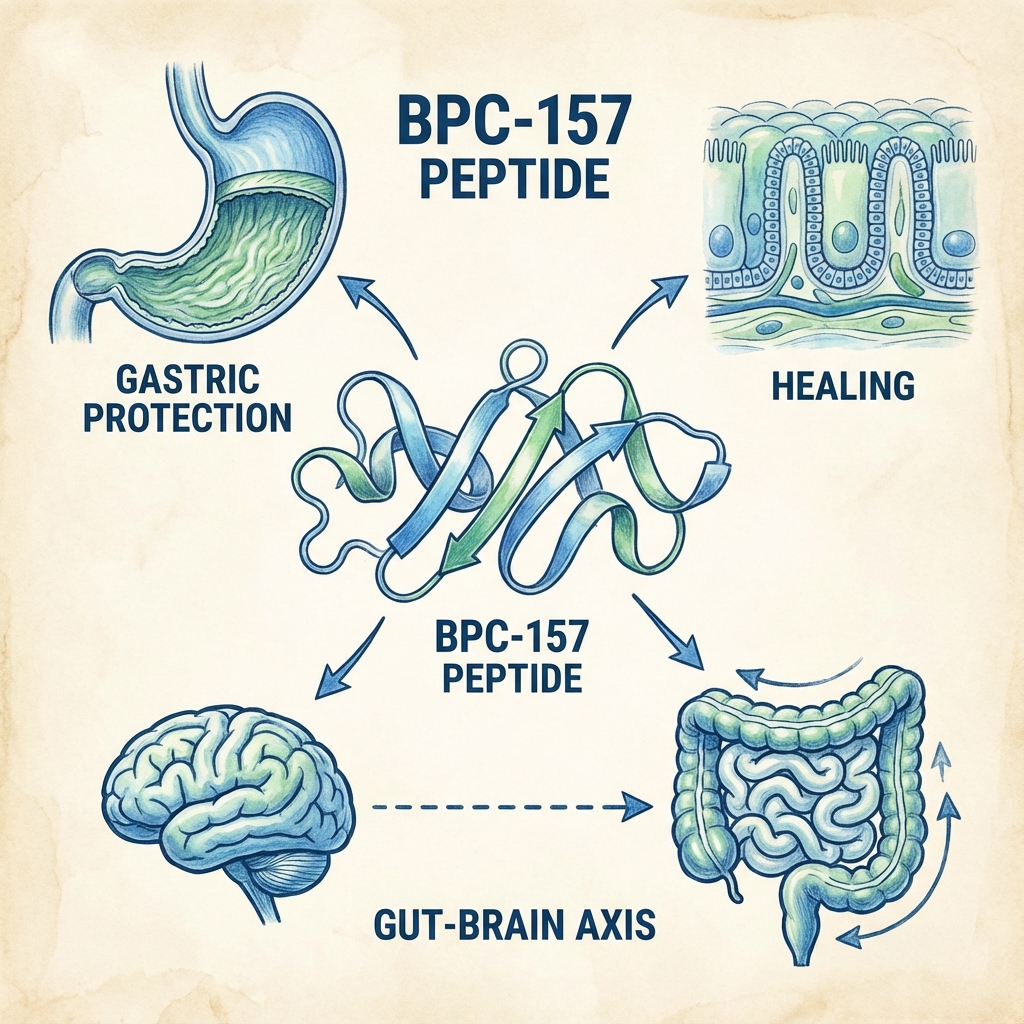
BPC - 157 works through several interconnected pathways that researchers continue to investigate.The effects of BPC 157 appear to stem from its ability to influence multiple cellular and molecular processes simultaneously.
Angiogenesis and Vascular Repair
One primary mechanism is the potent stimulation of angiogenesis(new blood vessel formation).BPC - 157 increases the expression of VEGF(Vascular Endothelial Growth Factor), improving blood flow to damaged tissues like tendons, ligaments, and gut lining. This "angiomodulatory" effect is crucial for its healing properties across different organ systems.
Cytoprotection and Growth Factors
It promotes the upregulation of growth hormone receptors in tendon fibroblasts, enhancing proliferation and matrix production. In the gut, it protects epithelial cells from damage caused by NSAIDs, alcohol, and stress, maintaining mucosal integrity.
Study Applications
Researchers have tested BPC - 157 across numerous application areas.The breadth of research reflects the peptide’s multiple mechanisms of action.
Musculoskeletal Research
BPC - 157 is widely researched for tendon and ligament healing.Studies show it accelerates the structural recovery of the Achilles tendon and medial collateral ligament(MCL) in rat models. It improves the biomechanical strength of the healed tissue, reducing the risk of re - injury.
Gastrointestinal Studies
Research confirms its efficacy in healing gastric ulcers, inflammatory bowel disease(IBD) models, and intestinal anastomosis(surgical connections).It combats "leaky gut" syndrome by reinforcing tight junctions.
Neurological Research
Emerging studies indicate neuroprotective effects.BPC - 157 may reduce neuroinflammation and promote nerve regeneration after crush injury.
Research Findings Summary
Most BPC - 157 research comes from preclinical animal studies, primarily using rodent models.While these studies show consistent positive results, human clinical trial data remains limited but growing. Research consistently highlights its safety profile and lack of toxic side effects in animal models.
Regulatory Considerations
BPC - 157 is currently a research chemical.While it was briefly listed on WADA's prohibited list (and removed), its regulatory status for human use varies by region. Researchers must adhere to local guidelines. In vitro and animal studies continue to be the primary domain for BPC - 157 investigation.