Protocol
Do Peptides Show Up on Drug Tests? The Truth.
Concerned about employment or athletic screening? Here is the breakdown of what standard tests look for vs. specialized WADA protocols.
ByPeptide Bioregulator Atlas (Adapted)
March 30, 2024
Table of Contents
Do Peptides Show Up on Drug Tests?
A common fear among new peptide users—whether professionals, athletes, or government employees—is failing a drug screen. The short answer: It depends entirely on who is testing you.
1. Standard Employment Screens (The "9-to-5" Test)
If you are taking a pre-employment drug test (e.g., for a corporate job) or a routine probational screen, you are almost certainly safe.
- The 5-Panel / 10-Panel Test: These standard urine tests look for specific metabolites of widely abused recreational drugs.
- Cannabinoids (THC)
- Cocaine
- Opiates (Heroin, Codeine)
- Amphetamines
- PCP / Benzodiazepines
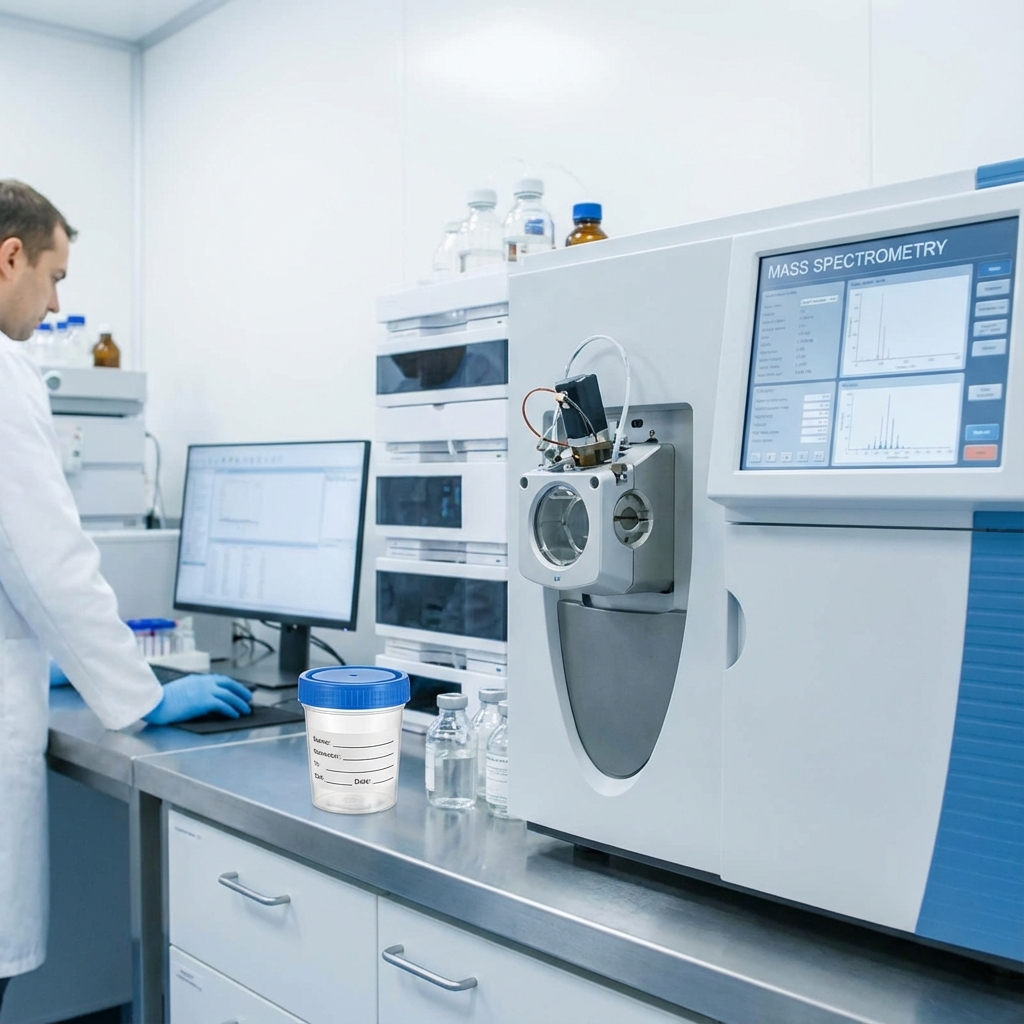
- Why You're Safe: Peptides are just chains of amino acids. To a standard mass spectrometry test calibrated for cocaine, a peptide like BPC-157 looks just like a steak dinner or a protein shake. It does not trigger false positives for these illicit classes.
2. The Athlete's Risk (WADA & USADA)
If you are a competitive athlete subject to WADA (World Anti-Doping Agency) or USADA testing, the answer is a hard YES.
- Banned List: WADA explicitly bans "Peptide Hormones, Growth Factors, Related Substances, and Mimetics."
- Specific Targets:
- Growth Factors: BPC-157, TB-500, Thymosin Beta-4.
- GH Secretagogues: Ipamorelin, MK-677, GHRP-2, GHRP-6, CJC-1295.
- Metabolic Modulators: AICAR, SR9009, GW-501516 (Cardarine), MOTS-c.
- Detection Technology: Anti-doping labs use highly specific Liquid Chromatography-Mass Spectrometry (LC-MS) assays designed to hunt for the specific molecular weight and signature of these synthetic peptides. They can detect metabolites weeks after use.
3. The Military & Government within USA
Generally, standard military urinalysis (DoD) focuses on the same illicit drugs as employment screens (plus steroids in specific suspicion cases).
- routine tests do not screen for peptides or SARMs.
- However: If a commander has "probable cause" or suspicion of performance-enhancing drug use, they can order a specific steroid/peptide panel. It is rare, but possible.
Factors Influencing Detection
- Half-Life: Most peptides have short half-lives (minutes to hours).
- Window of Detection: While the peptide clears the blood fast, its metabolites can linger in urine for days or weeks. Carbon Isotope Ratio (CIR) testing can even detect verify if testosterone is synthetic or natural.
- Method: Blood tests are far more accurate for peptides than urine tests.
The Bottom Line:
- Corporate Job? Safe.
- Professional Athlete? Absolutely Banned.
- Military? Unlikely to be tested, but legally risky if caught.