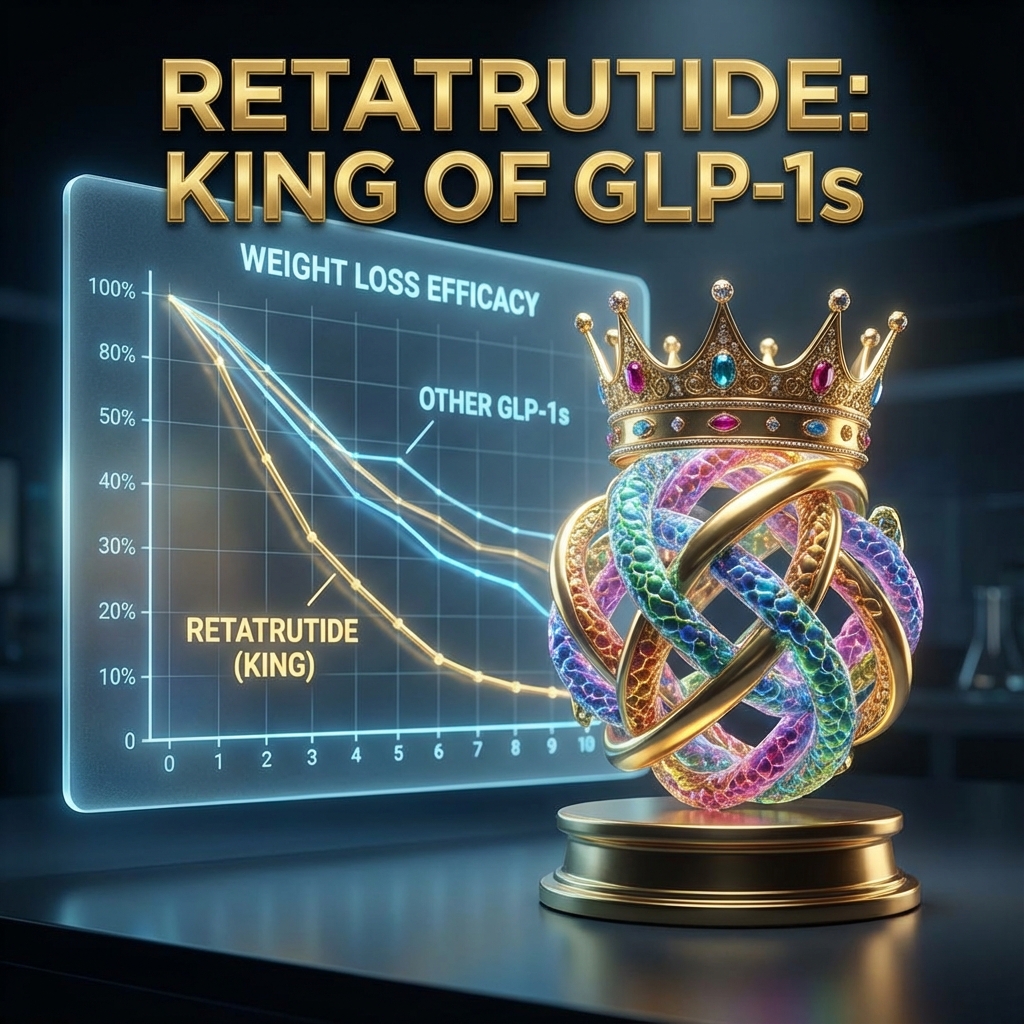
Retatrutide, a triple-threat GLP-peptide
Discover the potential of Retatrutide, an investigational drug designed to address type 2 diabetes and obesity. Learn about its triple agonist mechanism targeting GLP-1, GIP, and glucagon receptors.
Table of Contents
The Mechanism of Action: How Retatrutide Promotes Weight Loss
The action of retatrutide is rooted in its ability to mimic natural hormones in the body, specifically GIP and GLP - 1, which work together to regulate metabolism, glucose control, and fat storage.Retatrutide binds to these receptors, enhancing insulin sensitivity and improving the way the body handles glucose.This, in turn, helps control appetite, increase satiety, and reduce food cravings, which are common issues for individuals with obesity.
The result is significant weight reduction, especially in people who have struggled with other weight loss methods.Clinical trials suggest that retatrutide is effective not only in reducing body weight but also in improving health markers associated with obesity, such as blood sugar levels, cholesterol, and liver function.
In clinical trials, retatrutide has been shown to work in two key ways:
- ** Enhancing Insulin Sensitivity:** By increasing the body’s responsiveness to insulin, retatrutide helps regulate blood sugar levels, which can prevent spikes in hunger and cravings.
- ** Reducing Food Intake:** Retatrutide’s ability to affect hunger hormones allows it to decrease food intake, which leads to weight loss over time.
Clinical Trials: Results and Evidence of Effectiveness
Numerous studies have been conducted to determine the safety and efficacy of retatrutide.A placebo - controlled trial and double - blind placebo - controlled trials have provided valuable insights into the drug’s potential.One of the most notable trials was conducted to assess the effects of retatrutide on people with obesity, focusing on its ability to reduce body weight and improve metabolic health.
Weight Loss
In 2024, phase 3 trials under the TRIUMPH program are ongoing to evaluate retatrutide’s effectiveness for weight loss.Earlier phase 1 and phase 2 studies yielded encouraging results, with findings suggesting the potential for up to a 24 % reduction in baseline body weight.
The first human trial of retatrutide, conducted as a proof - of - concept study in Singapore in 2019, included 47 participants.This phase 1 trial tested six dose levels, ranging from 0.1 mg to 6 mg weekly, and indicated positive effects on appetite, food intake, and metabolic markers, along with a favorable safety profile.
A subsequent phase 2 trial involved 338 non - diabetic adults with overweight or obesity over 48 weeks.This study showed a dose - dependent reduction in weight and improvements in cardiometabolic risk factors.Depending on the dose, participants lost from ** 8.7 % to 24.2 %** of body weight, with higher doses leading to more rapid weight loss.
Type 2 Diabetes
Eli Lilly is studying how well retatrutide can help people with type 2 diabetes(T2D) control their blood sugar and lose weight as part of the TRIUMPH phase 3 clinical trials.
Earlier studies have shown promising results.In a small 12 - week trial, 72 adults with T2D were given either retatrutide, another diabetes medication called dulaglutide, or a placebo.Those who took the highest dose of retatrutide(12 mg per week) had their blood sugar(A1c) drop by up to ** 1.6 %** and lost almost 20 pounds, which was better than the results with the other treatments.
In a longer 36 - week study with 281 people, those on the highest dose of retatrutide saw their blood sugar levels drop by ** 2.16 %** and lost about ** 17 %** of their body weight.The placebo group, in comparison, had almost no change in blood sugar and lost only about 3 % of their body weight.
The study also showed that retatrutide improved cholesterol and triglyceride levels, especially at the higher doses, compared to both the placebo and the participants’ starting levels.
Retatrutide Dosing
During the studies done by Eli Lilly, the initial dose of retatrutide given was ** 0.5 mg **, which was injected subcutaneously or just under the skin once weekly for four weeks.
The dose was then increased in patients who could handle it without many side effects.The drug was then titrated in 1 mg, 2 mg, or 4 mg increases until achieving the desired effect.The patient should then be held at that dose and monitored for side effects before each dose increase.The maximum dose is ** 12 mg per week **.
The initial dose of retatrutide is crucial because it helps to minimize the risk of side effects.If the patient experiences any severe side effects, the dose of the drug should be reduced or discontinued outright.
Adverse Events and Safety Profile
As with any medication, retatrutide has its share of potential adverse events.In clinical trials, some participants experienced mild to moderate side effects, such as gastrointestinal issues, nausea, and headaches.However, these adverse events were generally short - lived and did not significantly impact the overall success of the treatment.Most participants were able to continue their treatment without experiencing severe complications.
In one study involving non - diabetic participants, gastrointestinal issues were the most common side effects reported.Among the 62 participants receiving the highest weekly dose of 12 mg, the following adverse events were observed:
- Nausea
- Vomiting
- Constipation
- Diarrhea
- Cardiac arrhythmia
- Fatigue and early satiety
- Increased lipase levels
- Hepatic disorder
- Pancreatitis
- Hepatic disorder
- Increased lipase levels
- Fatigue and early satiety
It’s important to note that the adverse events observed in the retatrutide groups were similar to those seen with other obesity medications, including semaglutide.These effects were typically mild and tended to decrease as the body adjusted to the medication.Overall, the safety profile of retatrutide appears to be favorable, with only a small number of participants discontinuing the treatment due to side effects.
Retatrutide and Its Role in Treating Obesity In People
Obesity is a complex, chronic condition that affects millions of people worldwide.It is associated with a range of health issues, including diabetes, cardiovascular disease, and liver disease.As such, finding effective treatments for obesity is critical to improving the overall health of individuals who struggle with this condition.
Retatrutide represents a promising solution for people with obesity.In addition to its effectiveness in weight reduction, retatrutide also helps improve metabolic health, addressing underlying issues such as insulin resistance and liver dysfunction.This makes retatrutide not just a weight loss drug, but also a tool for managing and potentially reversing the long - term health complications associated with obesity.
Comparison with Other Obesity Treatment Options
When compared to other medications like semaglutide, retatrutide has shown competitive results.While semaglutide is also a GLP - 1 receptor agonist that helps with weight loss, retatrutide targets both GIP and GLP - 1 receptors, which may offer a broader mechanism of action.This dual action could make retatrutide more effective in helping individuals achieve and maintain weight loss.
The research on retatrutide continues to expand, and it will be interesting to see how it compares to other treatment options as more data becomes available.The clinical trials and studies conducted so far have been promising, suggesting that retatrutide may become a key player in the treatment of obesity and related conditions.
Conclusion: Retatrutide as a Breakthrough in Weight Loss Medicine
Retatrutide has shown great promise as a weight loss treatment, with compelling results from clinical trials.Its ability to significantly reduce body weight, improve metabolic health, and address conditions like diabetes and liver disease makes it a groundbreaking solution for people dealing with obesity.The combination of research - backed efficacy, favorable safety profile, and dual - action mechanism sets retatrutide apart from other medications currently available.
As more research is conducted and clinical sessions continue to evaluate its long - term effects, retatrutide has the potential to become a cornerstone in the treatment of obesity.For people struggling with weight loss and obesity - related health issues, retatrutide could offer a new path to better health and wellness.
In the coming years, we can expect to see more data, expanded access, and perhaps wider usage of retatrutide, especially as it continues to show its efficacy in treating obesity, diabetes, and related conditions.For now, retatrutide remains a key focus of scientific research and holds great potential for transforming the future of weight loss medicine.
Want to start a GLP-1 now?
Retatrutide is not FDA-approved (Lilly plans to file in early 2027) and cannot be prescribed outside a trial. The GLP-1 medicines a US clinician can prescribe today are semaglutide (Wegovy, Ozempic, Wegovy pill), tirzepatide (Zepbound, Mounjaro), liraglutide and oral orforglipron (Foundayo). Our sister site CalcMyPeptide compares what each route costs: insurance or Medicare, brand-name direct, and telehealth.
CalcMyPeptide is our sister site (same publisher, Kymata Labs). Its comparisons list only telehealth providers whose affiliate programs we have joined or applied to, and it may earn a commission. GLP-1 medicines need a prescription from a licensed clinician.